Blue Ventures (BV)
Visit website
Blue Ventures develops transformative approaches for catalyzing and sustaining locally led marine conservation. Working in places where the ocean is vital to local cultures and economies, Blue Ventures is committed to protecting marine biodiversity in ways that benefit coastal communities.
Despite its unrivaled natural beauty and enchanting culture, Timor-Leste remains stifled by poverty and is often reliant upon unsustainable uses of natural resources.
Since 2015, Blue Ventures has worked alongside small-scale fishing communities to co-design practical, durable ways to conserve the ocean and its rich natural resources through locally led marine conservation initiatives. These initiatives have included temporary and permanent fisheries closures and diversifying livelihoods to provide sustainable income and food sources to coastal communities. Blue Ventures has also established community-based seagrass monitoring programmes in the villages of Beloi and Biqueli on Atauro.
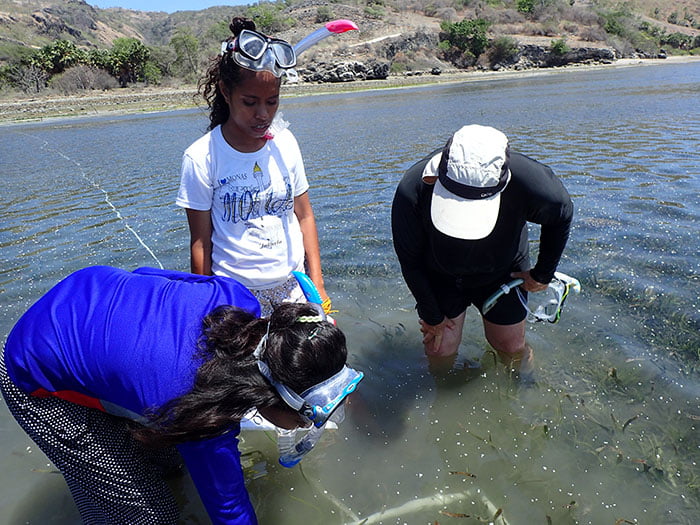
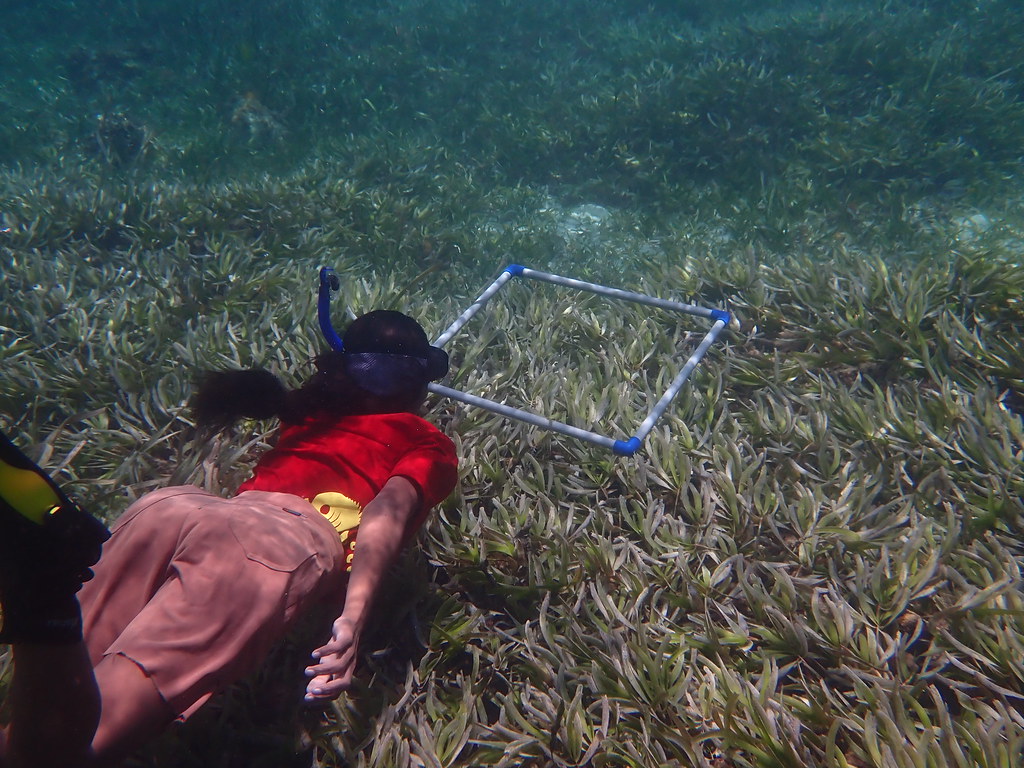
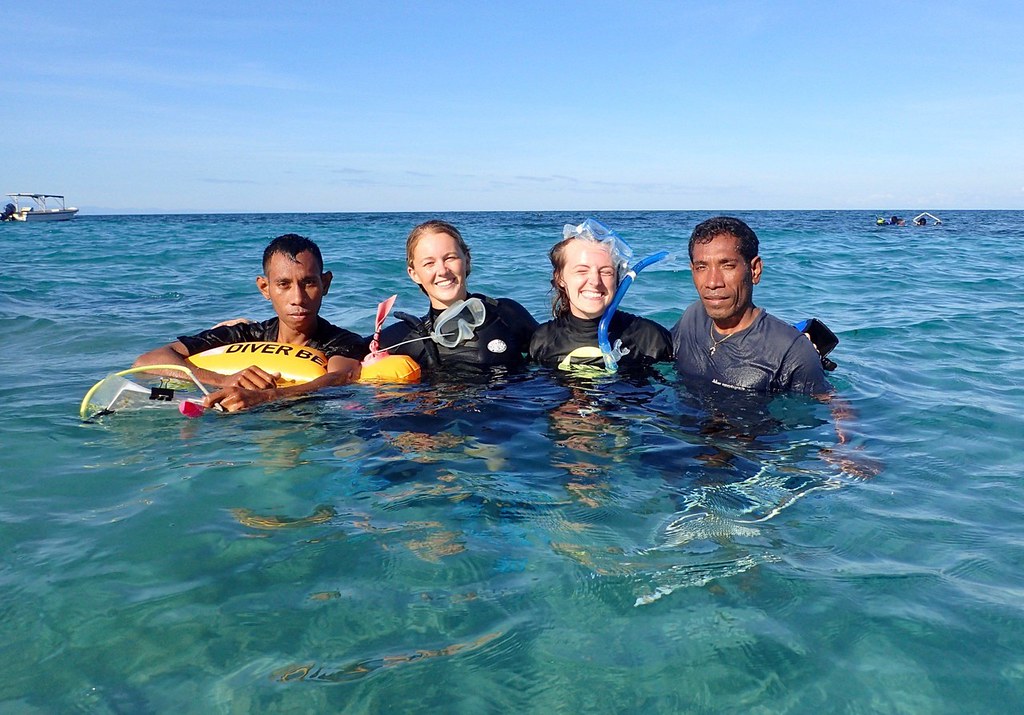
Seagrass survey. (©Blue Ventures, Timor-Leste)
Under the Seagrass Ecosystems Services Project, these initiatives will be replicated at two carefully chosen sites on the Timor-Leste mainland: Beto Tasi and Tasi Tolu. These two villages are based within the historic capital city, Dili, a large urban area with many small fisheries operating in and around unprotected seagrass habitats. The extent, distribution and health of the seagrass is currently unknown, however the local community understand its importance to fisheries, as well as to sea turtles and the friendly resident dugong known as Doug.
Beto Tasi is a semi-rural community located within walking distance of Timor-Leste’s international airport and bordered by beaches with popular dive sites. Recently, an underwater cave supporting a flourishing and important fish nursery was discovered near Beto Tasi, prompting the community to request the area be protected, with a view to securing fisheries for future generations. This is the most urban location Blue Ventures has worked in within Timor-Leste, offering a unique opportunity for learning and adaptation to fit this new and exciting context.
The extent, distribution and health of the seagrass is currently unknown, but the local community understand its importance for fisheries.
Under this project, Blue Ventures aims to establish community-led seagrass monitoring teams, trained to manage, protect and restore this important resource and marine environment. This work will be supported through policy development, a variety of innovative and alternative livelihoods such as homestays, community-based tourism products and services, and blue carbon credit systems. Ultimately, these initiatives seek to reduce the vulnerability of these coastal communities and build resilience in the face of increasing global environmental challenges.
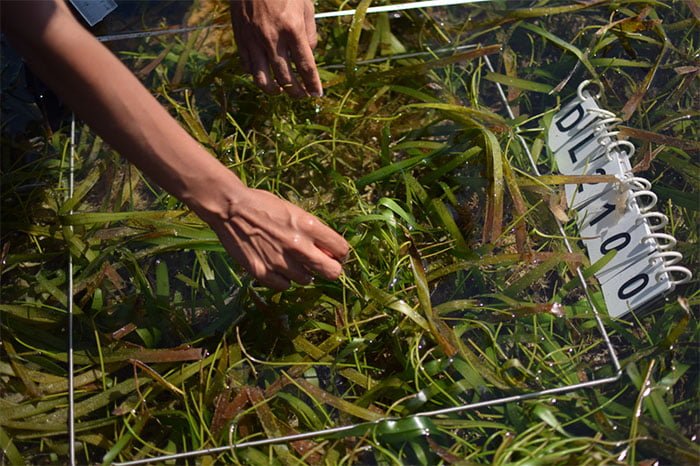
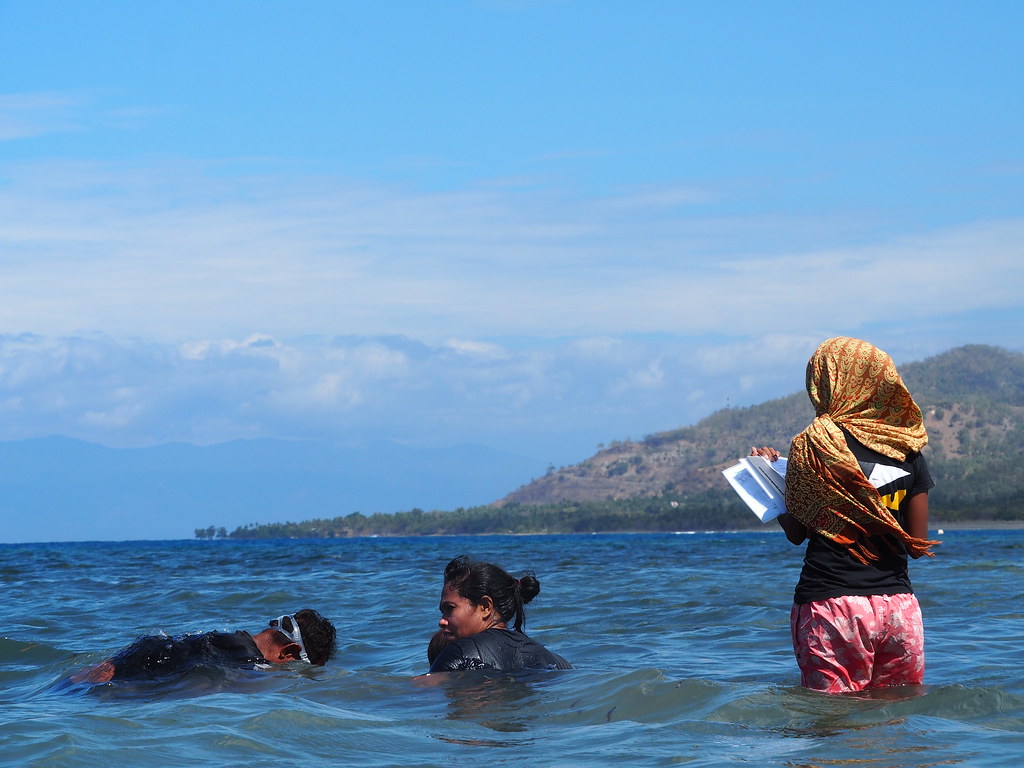
Seagrass survey © Blue Ventures Timor-Leste)
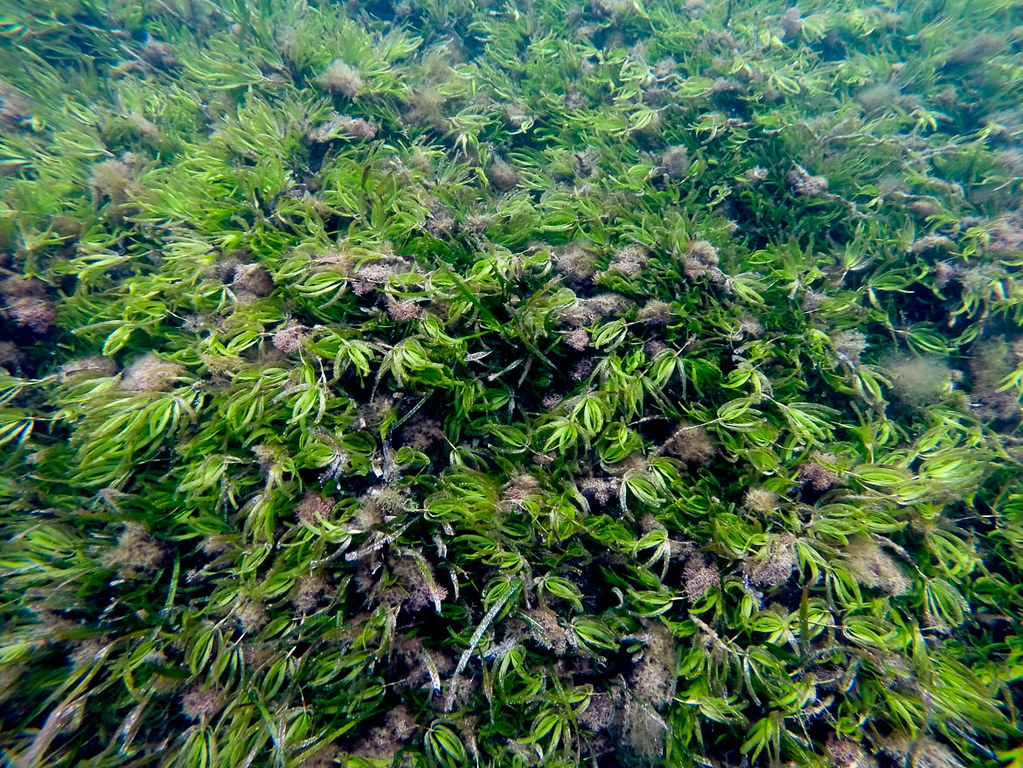
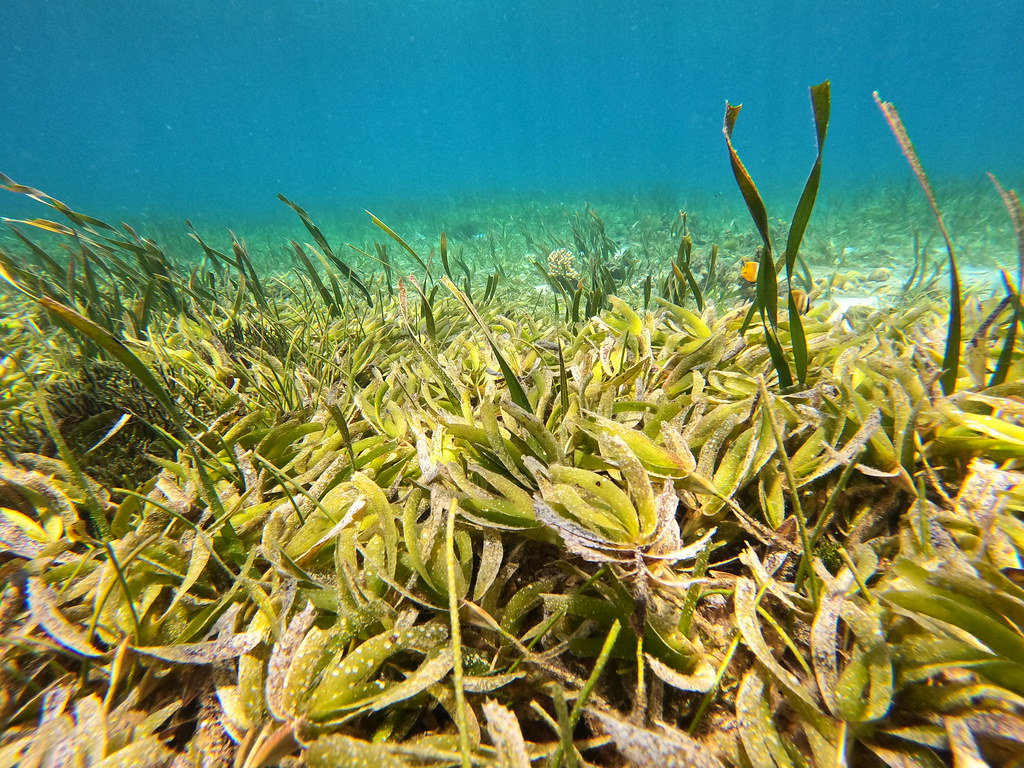
Some photos of Blue Ventures in the field implementing the IKI Seagrass Ecosystem Services Project in Timor-Leste:
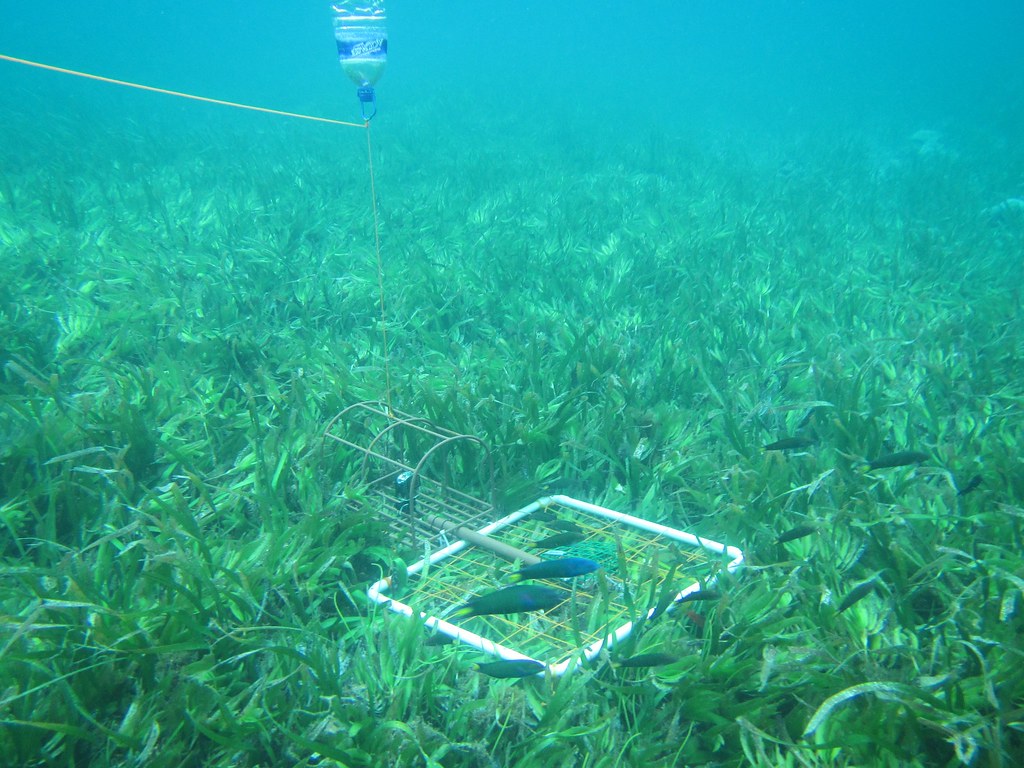


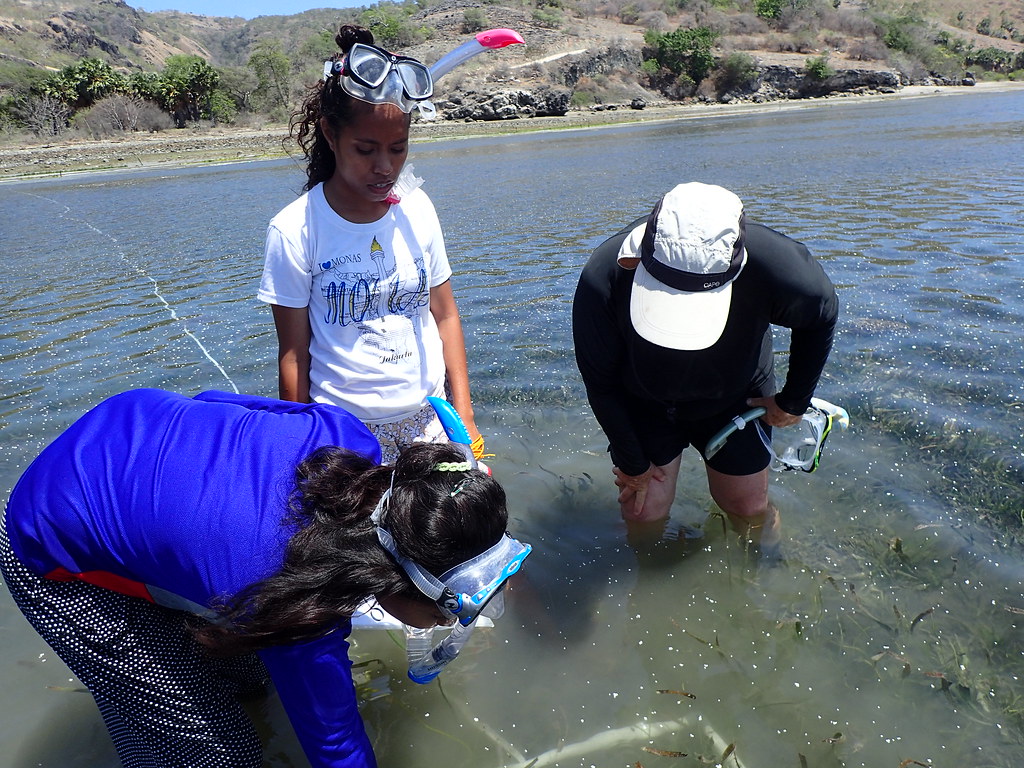









SES Project Locations