Establishing Sustainable Community-Based Income Alternatives in Timor-Leste and the Philippines
As a result of the changes brought about by the COVID-19 pandemic, the Seagrass Ecosystem Services (SES) Project has been seeking innovative ways to adapt its implementation, particularly in light of the international and in-country travel restrictions.
The SES Project is being carried out in five southeast Asian countries – Indonesia, Malaysia, the Philippines, Thailand and Timor-Leste – and managed by CMS Dugong MoU Secretariat in Abu Dhabi, UAE.
To keep communication and learning open between our partners, the CMS Dugong MoU Secretariat has organized a series of online knowledge exchanges. The exchanges are an informal and conversational way for partners to gather and share information around a set theme. Each session is recorded and available to listen to via the Dugong & Seagrass Hub.
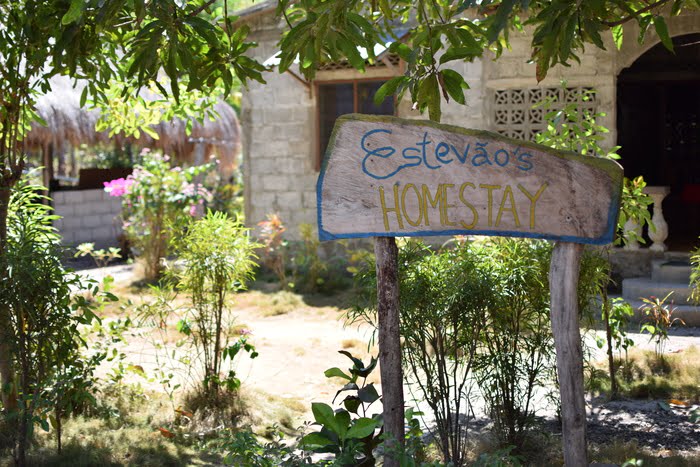
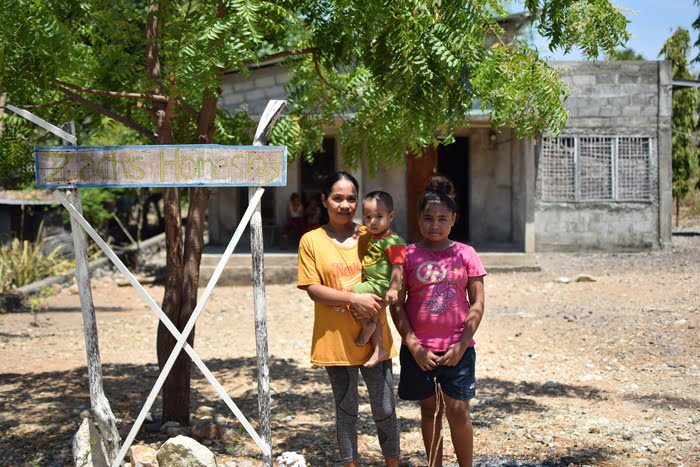
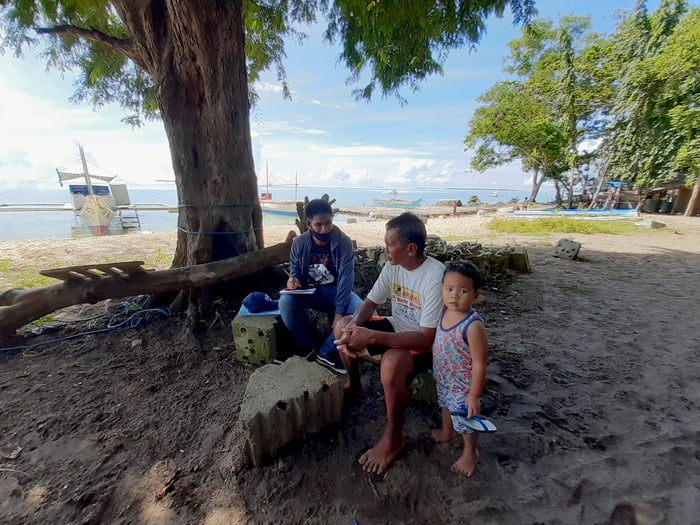
The first in the series of knowledge exchanges focused on successful models for diversifying coastal communities’ livelihoods and how these can catalyze community-led marine conservation. In this Knowledge Exchange, Stephanie Rowbottom of Blue Ventures Timor-Leste and Godofredo Villapando of Zoological Society London (ZSL) Philippines shared their experiences of establishing community-managed homestay associations, and community savings and credit associations.
A key goal of the SES Project is to provide opportunities for livelihood diversification, so coastal communities can gain access to alternative income streams, reducing their reliance on marine resources and improving their resilience. Equally, the project seeks to empower communities to protect and conserve their marine resources by developing sustainable and locally managed mechanisms for marine conservation, particularly for seagrass meadows.
Our partners in Timor-Leste and the Philippines have been addressing these challenges by establishing lasting solutions for income diversification and financial security within the communities they work with.